João II
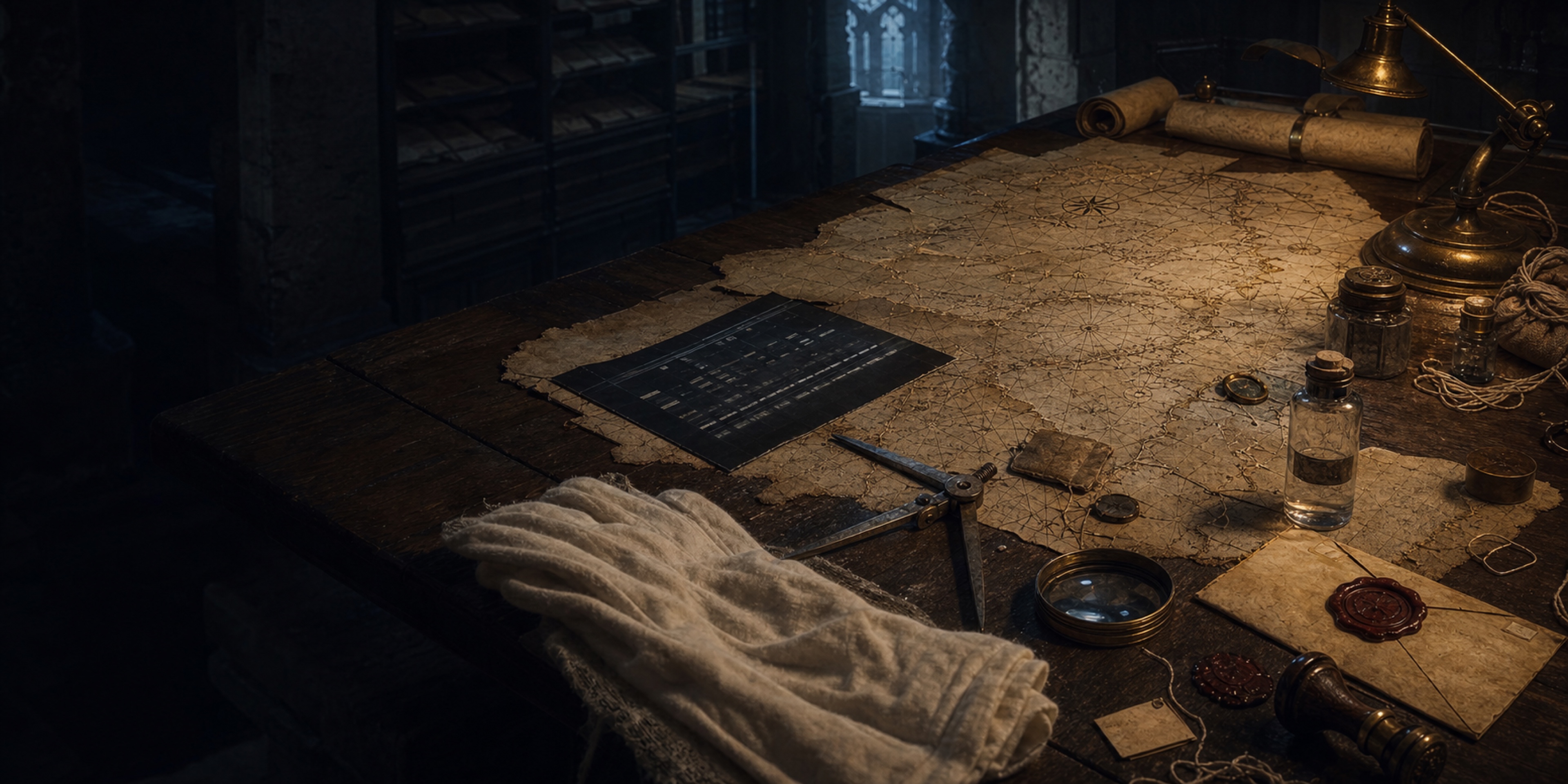
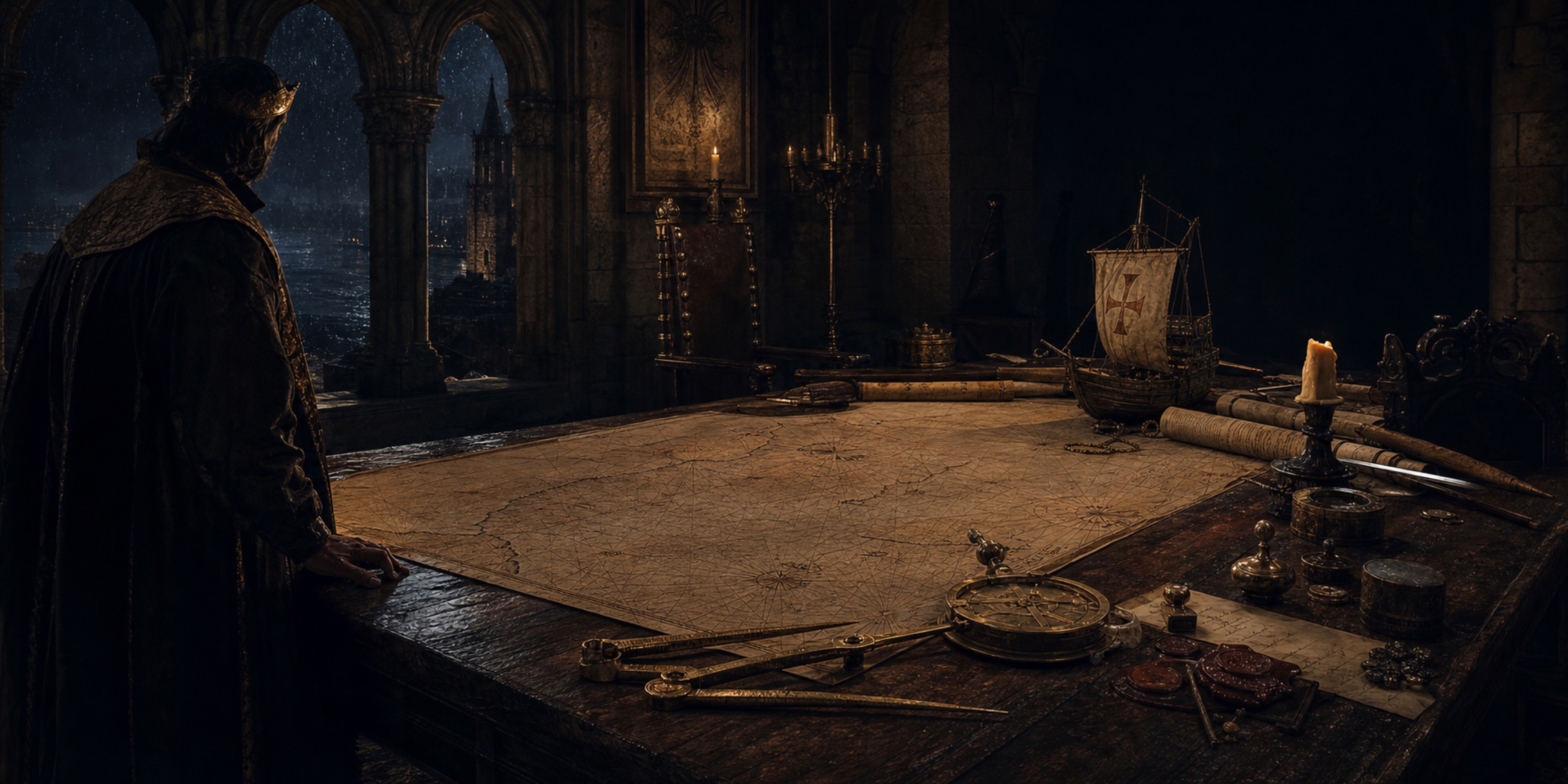
He listened before he moved. At his court, a chart could be knowledge, warning or temptation.
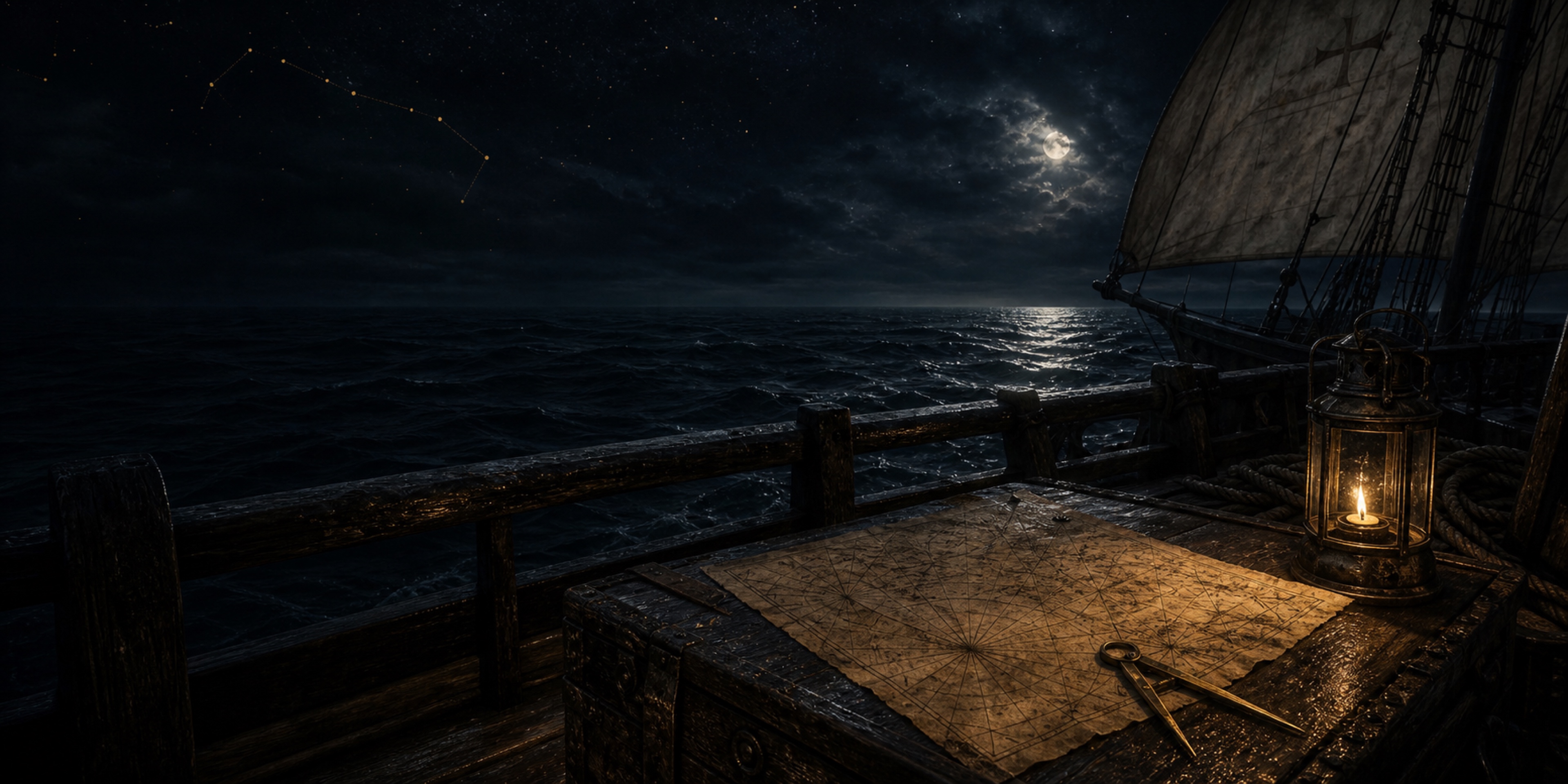
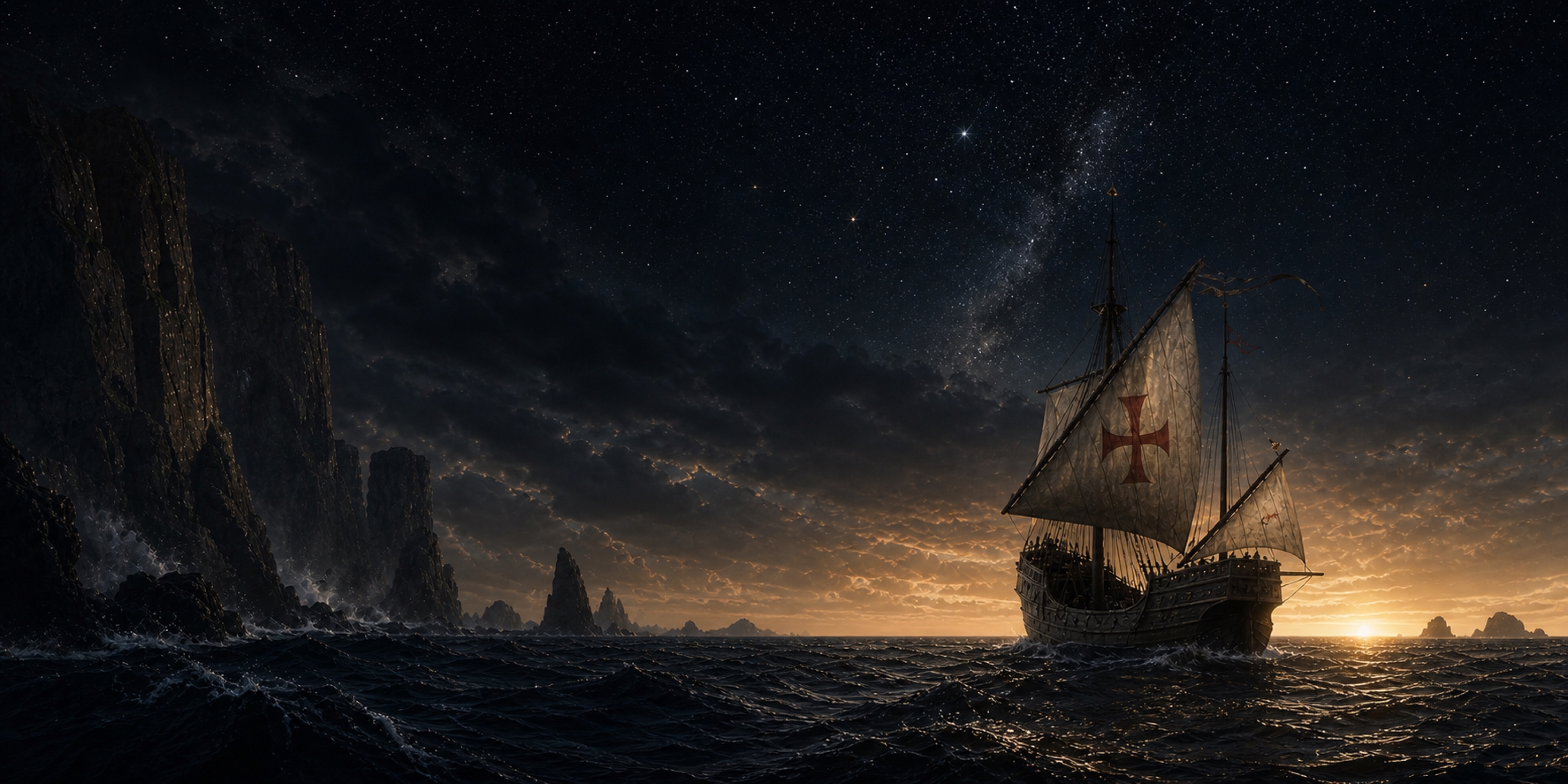
A navigator speaks from the grave. His confession begins before 1492, in João II’s Portugal. History remembers what followed. He remembers what came before.
A new investigation returned a five-century dispute to public view. It did not close the case. Feet of Clay goes back to the documents and lets the uncertainty stand.
Routes, rumours and rival ambitions converged in Lisbon. At João II’s court, what another kingdom believed could matter as much as what Portugal knew.
Before the voyage became legend, a man stood between Portugal and Castile with a past no single archive could contain.
He listened before he moved. At his court, a chart could be knowledge, warning or temptation.
History remembers his voyage. He begins with the years it forgot, and with a name he still refuses to surrender.
She knew him before the legend did. In a world of guarded letters and careful alliances, she sees what others miss.
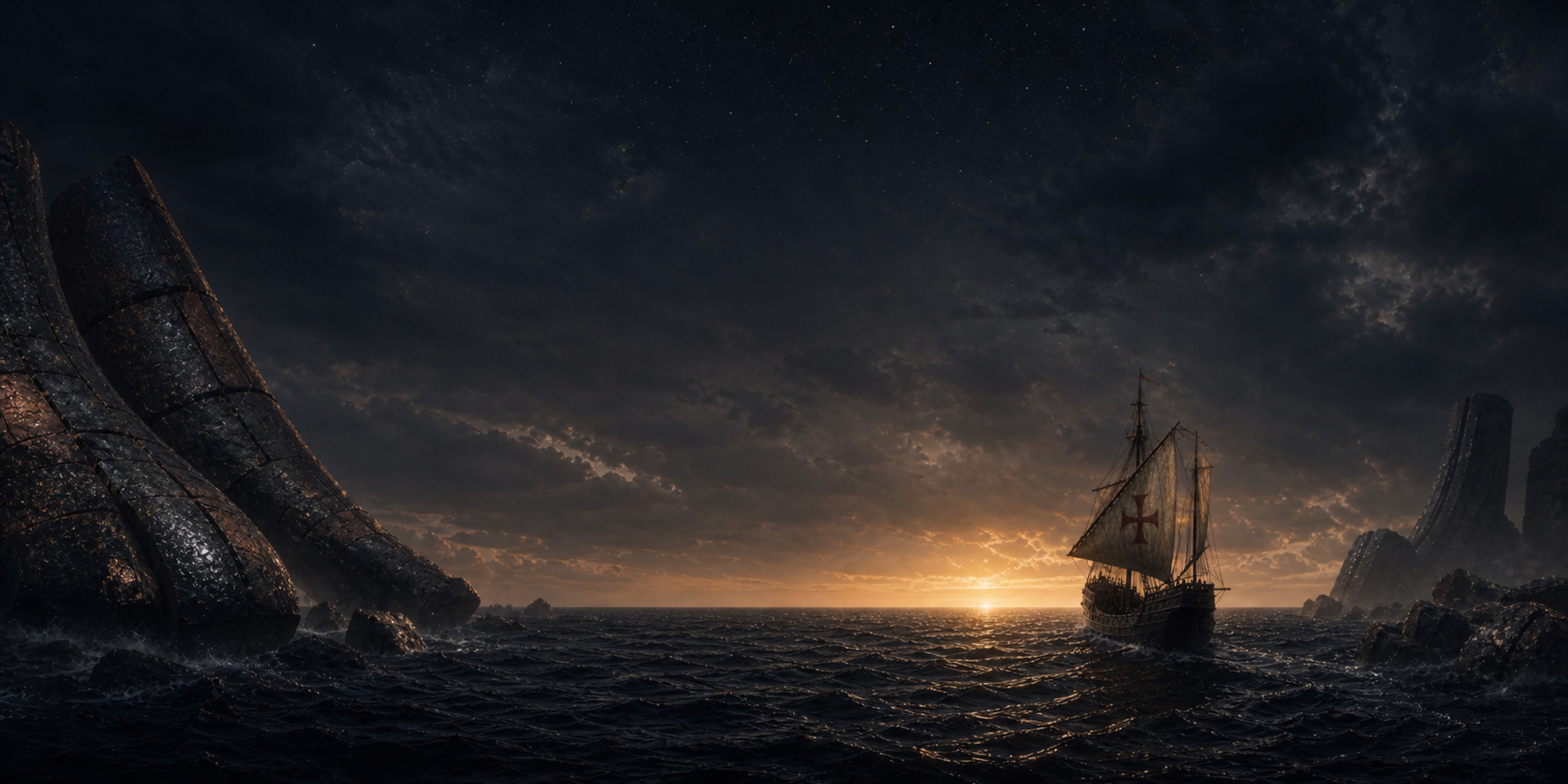
The statue is gold, silver, bronze and iron until iron meets clay. A stone then strikes it, and no king in the dream controls what follows.
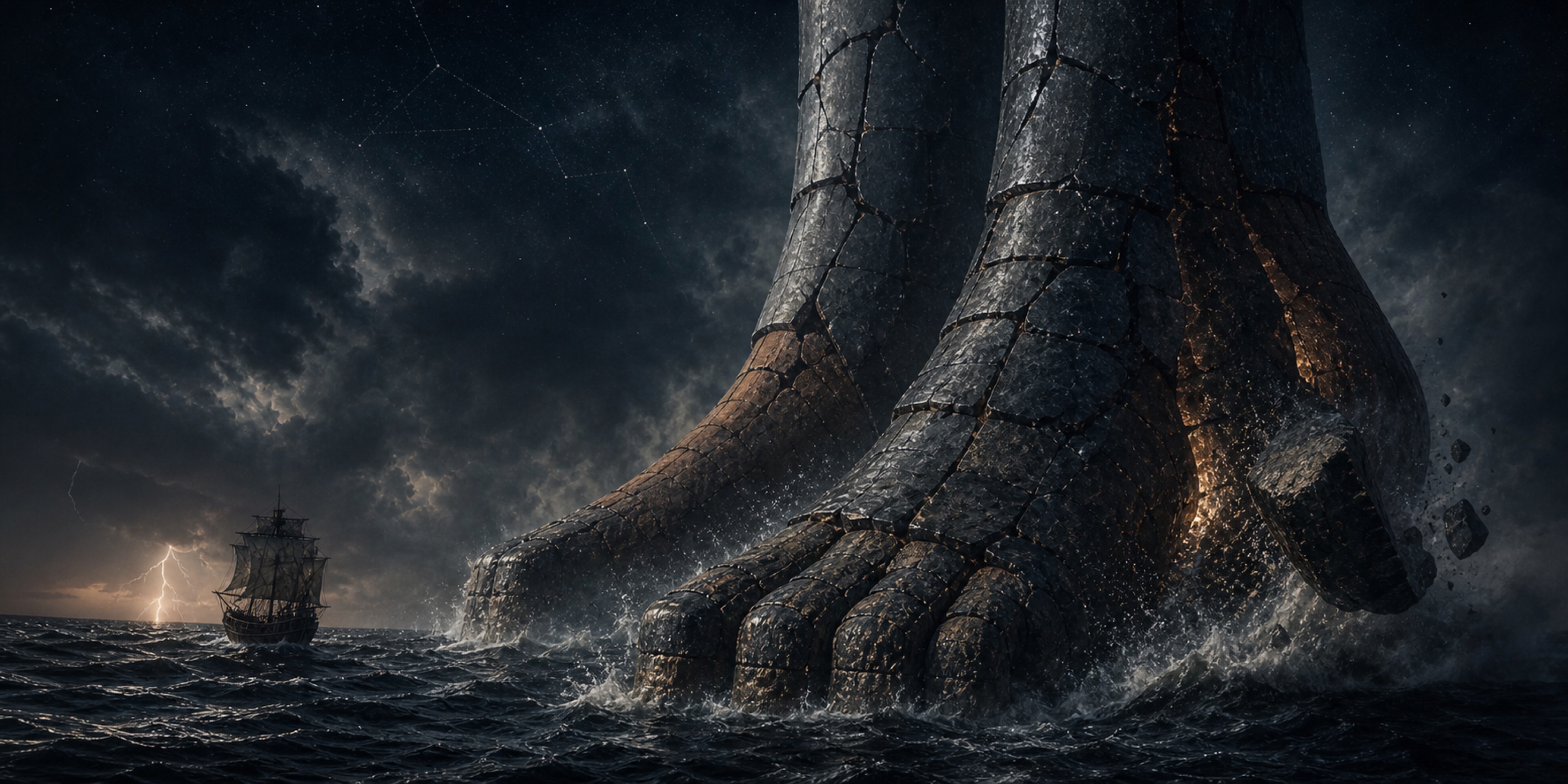
Vieira preached one answer, Pessoa wrote another, and this novel returns to Daniel’s dream.
605 BC · Gold
Nebuchadnezzar’s kingdom stands at the head of Daniel’s dream.
539 BC · Silver
A lesser metal inherits the world from Babylon.
331 BC · Bronze
Alexander’s conquests spread faster than his successors can hold them together.
146 BC · Iron
Iron breaks what came before it, then meets clay at the feet.
Camões gave Portugal its epic. Vieira turned the Fifth Empire into prophecy and politics. Pessoa left a riddle in Mensagem. Feet of Clay places those inheritances beside Daniel and asks what kind of empire could survive every ruler.
“So here I am. Dead for five centuries, more or less. My bones crossed the Atlantic after me and became a jurisdictional argument.”Chapter 1
Letters, court accounts, disputed names and a modern investigation pull the same life in different directions.
Its chapter notes identify the sources behind the major claims and name the scenes created for the story.
The accepted account has documents behind it. The contradictions have documents too.
Royal letters, routes and rival courts complicate the story that begins in 1492.
Daniel’s dream passes through Camões, Vieira and Pessoa. The novel asks what, if anything, came after Rome.
English edition · Kindle & paperback
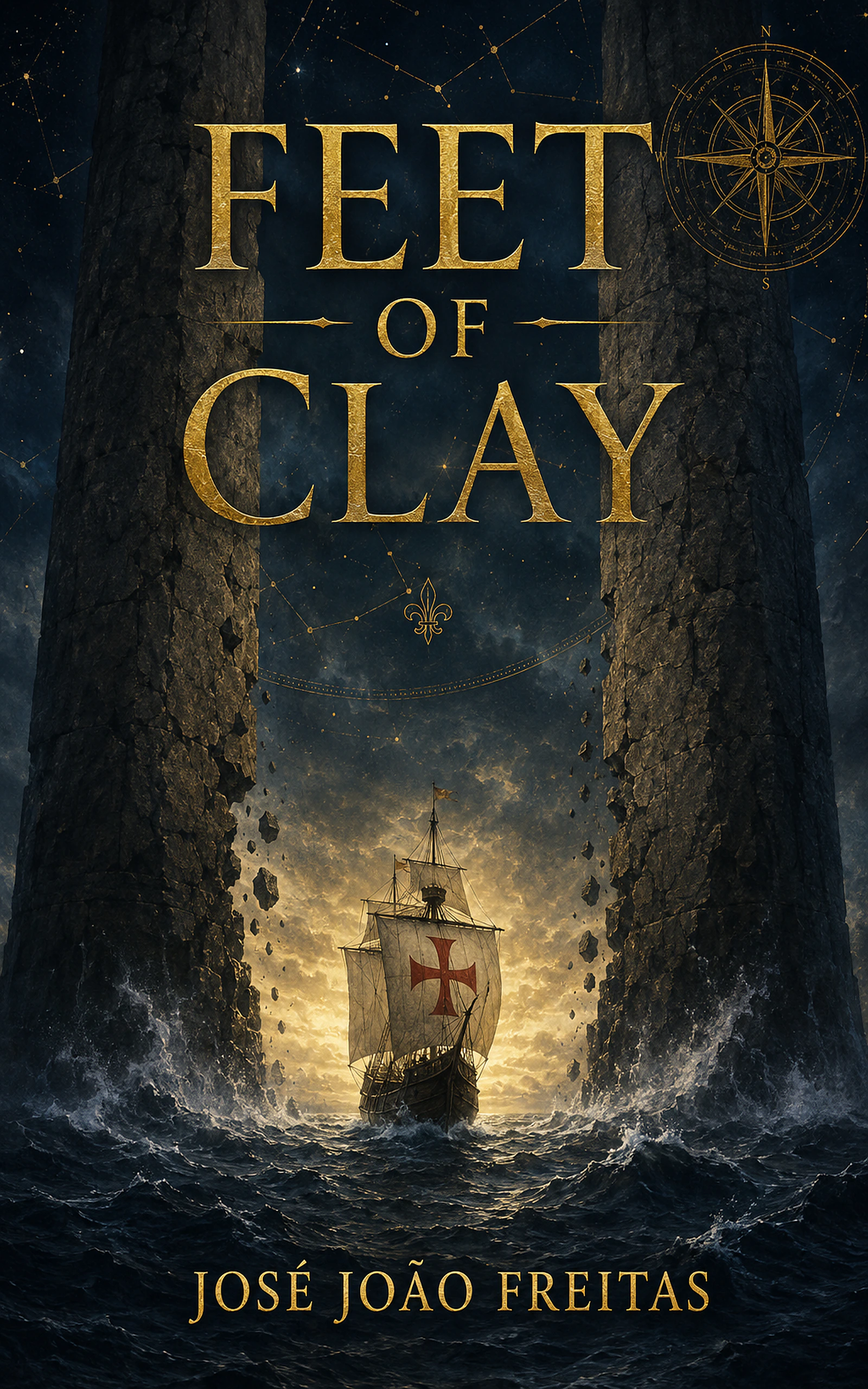
From the grave, a navigator disputes the life history wrote for him. His confession begins in João II’s Portugal, before 1492 became legend, and moves toward a prophecy that outlived every empire named in it. Chapter notes distinguish what is documented, contested and invented.
English editionYou know where the voyage went. Feet of Clay begins with what the familiar story left outside the frame.
Begin with the confession